
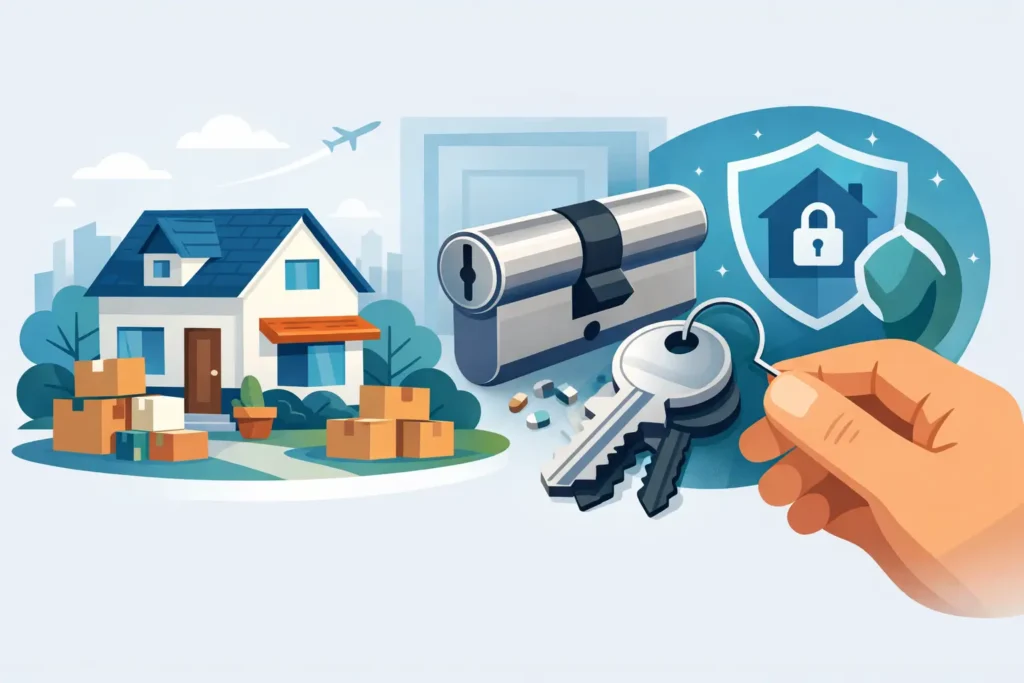
The moving truck is gone, the boxes are stacked, and one question is easy to put off: who still has a key to your new home? A home lock rekey after moving is one of the most practical ways to make the property yours from day one. It changes which key operates your existing locks, so old keys held by prior owners, tenants, contractors, cleaners, neighbors, or pet sitters will no longer work.
For many homeowners, renters, landlords, and property managers, rekeying is faster and less disruptive than changing every lock. But it is not always the right answer. The condition of the hardware, the type of lock, and how you need the property to function all matter.
Why a Home Lock Rekey After Moving Makes Sense
Keys have a habit of multiplying. Even a well-organized previous owner may not know where every copy went over the years. A spare key may have been given to a relative, handed to a contractor during a renovation, left with a neighbor, or included in a lockbox that was used for showings.
You do not need proof that someone has an unreturned key to rekey the locks. Moving creates a clean, sensible point to reset access. Rekeying lets you keep compatible hardware in place while ensuring only the new keys work.
This is especially useful when the locks are in good shape and match your doors, trim, or existing security setup. Rather than remove functioning deadbolts and knobs, a locksmith changes the internal pin configuration so the lock responds to a new key. The old key may still physically slide into the keyway, but it will not turn the lock.
For new residents in Tampa Bay communities such as Brandon, Valrico, Riverview, and Plant City, this can be a straightforward first appointment after closing or receiving the keys to a rental.
Rekeying vs. Replacing Locks
Rekeying and replacing solve different problems. Rekeying addresses key control. Replacement addresses worn, damaged, outdated, or unsuitable hardware.
Rekeying is usually the better option when your deadbolts and door knobs work smoothly, the latch aligns correctly, and you are comfortable with the lock style and security level. If several locks are compatible, they may also be rekeyed to one convenient key. That can reduce the number of keys you carry while keeping exterior doors secure.
Replacement may be the better choice if a lock is loose, corroded, difficult to turn, visibly damaged, or showing signs of forced entry. You may also want replacement if the existing lock is a low-grade model, does not have a deadbolt where one is needed, or is not compatible with your plans for a keypad or smart lock.
A key point: a new lock does not automatically mean better security, and an old lock does not automatically need to be replaced. The right choice depends on the hardware’s condition and your access needs. A professional inspection can help you avoid replacing hardware that still has useful life while identifying locks that should not stay in service.
When You May Need Both
Many properties need a combination of services. For example, you might rekey the front and back doors, replace a damaged garage-entry deadbolt, and repair a side door that does not latch correctly. This approach focuses your budget where it makes the biggest difference.
If a newly purchased home has several brands of locks, they may not all be compatible with one key. In that case, rekeying can still prevent old keys from working, but you may receive more than one new key unless certain hardware is replaced or standardized.
Start With Every Exterior Entry Point
Walk the property before your locksmith visit and make a simple note of every door that allows entry. Front doors get the most attention, but side doors, rear doors, garage access doors, patio doors, and gates are often overlooked. A door between an attached garage and the home deserves the same consideration as the front door.
Do not assume every lock needs the same treatment. Sliding doors may need a lock adjustment or auxiliary security device rather than a standard rekey. Double doors, French doors, and gates can have specialized hardware. Mailbox keys, shed locks, and community-controlled access systems may require separate solutions.
If you live in a condo, apartment, or HOA community, check the applicable rules before changing common-area locks or modifying hardware that the association maintains. Renters should also review their lease and speak with the landlord or property manager. In many cases, rekeying is allowed or encouraged, but the owner may need a copy of the new key for maintenance and emergencies.
Check the Door, Not Just the Lock
A strong lock cannot perform as intended if the door does not close and latch properly. As you test each entry, notice whether the key turns smoothly, the deadbolt extends fully, and the door stays securely closed without lifting, pushing, or pulling it into position.
Humidity, settling, loose hinges, worn strike plates, and previous repairs can all affect alignment. A deadbolt that drags against the strike plate can eventually wear the lock or make it harder to secure the door. It can also create the false impression that the key is failing.
During a rekey appointment, it is a good time to ask about loose hardware, sticking deadbolts, broken key removal, lock repair, or a strike plate adjustment. Addressing small issues early is often easier than dealing with a lockout or a door that will not secure later.
Decide Who Needs Access Before Keys Are Cut
A move is a good time to establish a simple access plan. Think beyond the people who live in the home. You may need keys for a spouse, older children, a trusted family member, a property manager, or a recurring service provider. The goal is not to create unnecessary copies. It is to know who has them and why.
For rental properties and small businesses, controlled key distribution is particularly helpful. Labeling keys by purpose, keeping a record of issued copies, and collecting keys when a tenancy or employment arrangement ends can prevent confusion later.
If you want a keypad or smart lock, consider the trade-offs before installation. These systems can make temporary access easier and reduce the need to share physical keys. They also require proper installation, battery checks, and a plan for the mechanical backup key or emergency access. A smart lock is not automatically the best fit for every door, especially where weather exposure, door alignment, or shared access policies create complications.
What to Expect From a Professional Rekey Service
A locksmith typically verifies that you have authority to request service, evaluates the lock hardware, and explains whether rekeying, repair, or replacement is appropriate. The lock cylinder is serviced so it works with a newly cut key, then the lock is tested from both sides of the door.
Bring any keys you received at closing or move-in, even if you do not plan to use them. They can help identify which locks they currently operate and reveal where keying is inconsistent. If you have a preferred goal, such as one key for the front, back, and garage-entry doors, mention it before work begins.
Clear information helps make the visit efficient. Let the locksmith know how many exterior doors you have, whether the property is a house, rental, condo, or commercial space, and whether any lock is damaged or malfunctioning. Photos of the hardware can also be useful when requesting availability and an estimate.
Locksmith Squad provides mobile residential locksmith support alongside our automotive services. If you need rekeying, lock repair, replacement hardware, or help after a move in the greater Tampa Bay area, call or text with your location and a brief description of your doors and locks.
Do Not Forget the Car Keys During a Move
Moving days are also a common time for car keys to disappear. Keys get placed in a jacket pocket, packed in a box, left on a counter at the old address, or damaged after being dropped during loading. If you have only one working vehicle key, making a spare before the next busy week can save a great deal of trouble.
Modern vehicle keys are more than cut metal. Many contain a transponder, remote, or smart-key system that must be programmed to the vehicle. We can provide mobile assistance for many lost car keys, key fobs, transponder keys, spare keys, lockouts, and ignition concerns, often without requiring you to tow the vehicle. When contacting us, share the year, make, model, location, key type, and whether any working key remains.
A new address deserves a clear access plan. Rekey the doors that protect your home, repair hardware that is not working correctly, and keep control of every key you issue. That small task can make settling in feel a lot more secure.